Weekend computer build
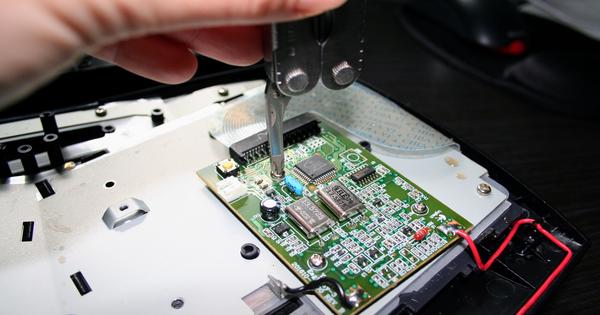
Last weekend’s Black Friday deals lured me to my local computer superstore, where I picked up a bunch of parts, went home, unboxed them all, plugged them into one another, pressed the power button, and crossed my fingers. Beep! My new server booted up, in all its redundant storage glory. Now I have enough room to store and search all my photos and videos and files, without relying on Google or Apple or Amazon to do it for me.
It’s been about six years since I’ve built any sort of computing device. The last one was an adorable and simple Raspberry Pi that cost under $80 at the time, and is still blocking ads on our home network like a champ. In the meantime, I’ve been buying myself shiny, sealed Apple computers that are all set up for you out of the box. There’s joy in that, for sure—I love my MacBook. But when you build a computer yourself, it just hits different.
You research, spec out, and price your enclosure, hard drives, and RAM. You leave room to expand, and make sure you can easily swap a drive in and out later if it ever fails. When you power it on the first time there’s the wonder of seeing it actually boot up. There’s the ouch of damn-let-me-fix it when you see the RAM you added hasn’t been recognized yet—gotta reseat it. There’s that feeling of snapping it into place and knowing you got it this time. There’s the anguish of realizing that SSD drive you bought it turns out isn’t compatible with this model despite all your research, and having to do a second trip to the computer superstore to exchange it. (First rule of building a computer: It always involves a second trip to the store.) There’s the meditative work of formatting the drives, installing the software, and setting things up just how you want them. Then there’s the satisfaction of seeing the device lights flickering and thinking, “Hey, I built that.”
I love my shiny sealed computers that just work when I turn them on, but they never feel quite as mine as the ones I snapped together with my own hands.