Once upon a time, the web was mostly a text-based medium. If you were an introverted writer who wanted to share your ideas with the world, it was the perfect place to thrive. That time is no longer.
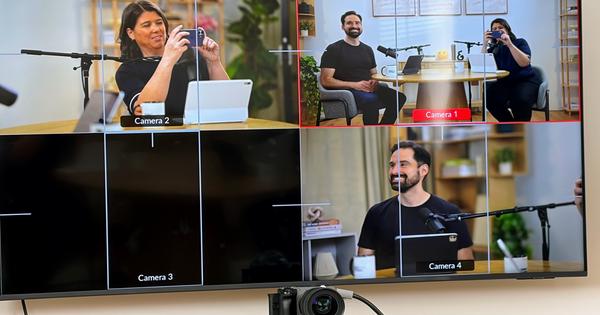
This is part of the reason Chris & I have launched our new podcast Make Great Software (with video!). It’s a discussion show about the timeless, practical principles behind making software that works for people. One principle per episode, each anchored by a story. Plus lots of joy.
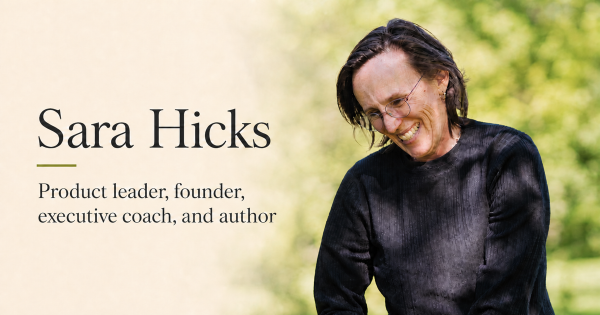
Sara Hicks explains what a product manager is and how it’s changed over time, in the best articulation of a squishy and ever-changing role I’ve ever read. Today, she writes, PMs are just builders versus managers. “The job is less about translation between people who have ideas and people who have the tools to execute them, and more about judgment: knowing what’s worth building at all, and remembering why, once you’ve built it.”
“The fool loves side quests and often goes looking for them. Push down your focus and see how high you can turn up your curiosity. Yes, you have to file your taxes on time. But don’t let that become an excuse to get stuck in largely focused, goal-chasing mode. You will get more in life and you will have more fun getting it if you are open to side quests.”
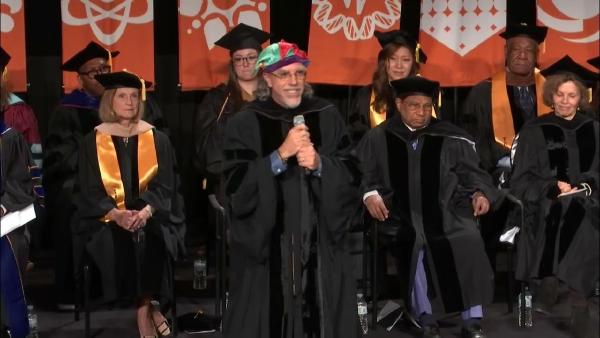
Recently at a community gathering I was asked to give a 5-minute lightning talk about something I’m into. I landed on the physical activity that is making me feel my best these days. Here’s my talk transcript.
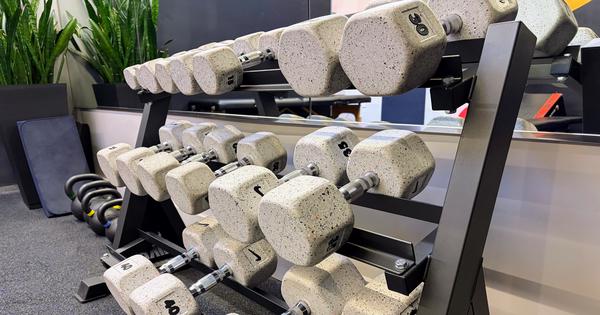
Hi everyone. I’m Gina and I’m here to talk about the joy of lifting heavy objects. And by that I mean weightlifting.
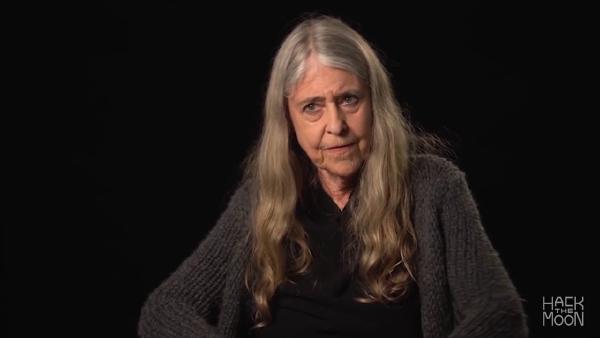
NASA software engineer Margaret Hamilton passed away this month at 90 years old. My favorite story about Hamilton is how she found and fixed “the Lauren error,” a software crash caused by her 4-year-old daughter while she was playing astronaut at the flight simulator with her mother at the office.
When you know you love working with someone, keep doing it. That’s why my business partner Chris and I are cooking up something new together. We plan to launch by the end of the year. Visit our website to get a small taste of our new brand, designed by the excellent Jonas Leupe, and to sign up to get an email when it goes live. I’ll also post about it here.
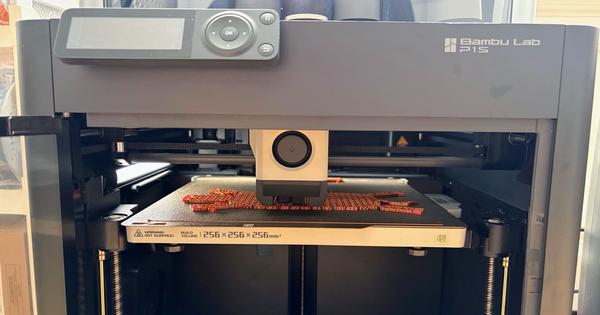
I’ve always been curious about 3D printers, so last fall when there was a Black Friday deal on a great model, I picked one up. I wondered if it would be one of these gadgets my family would play with for a couple months then forget about, but it turns out: we haven’t stopped printing since.
Whenever I tell anyone about it, the first question is, “What do you do with it?” At first it was making lots of silly fidget toys and figurines for my kid. Then it became about a lot more than toys.
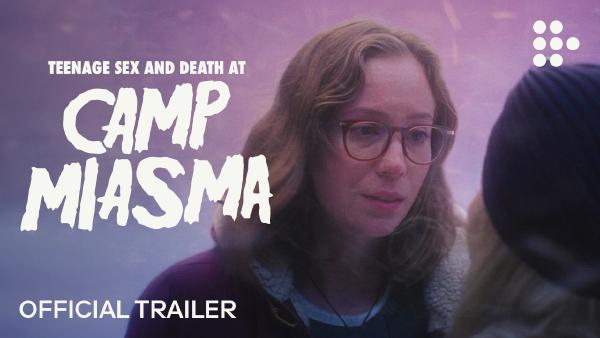
My favorite pieces of art make me understand and appreciate things I’ve never cared about before. Horror is not my film genre of choice, but I saw Jane Schoenbrun’s slasher film Teenage Sex and Death at Camp Miasma a week ago and I’m still thinking about it. It’s weird, queer, gory, uncomfortable, and funny in the best ways. I especially loved the care and thought and effort that went into details like the opening credits and set design. Plus it’s about sexual healing with lots of candy and Gillian Anderson. Recommend.
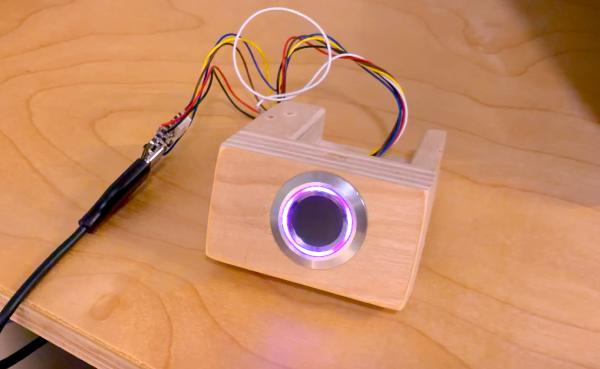
Anil did a nice job building and publishing a fun project: a DIY Touch ID-like fingerprint sensor that can unlock your Mac, called Dashboard Touch. I liked what he wrote about making it: “Nearly every task in this project has had me stretching to do things that I’m pretty bad at, from firmware coding to security review to detailed carpentry to video editing.” Working at the edge of your capabilities across different skills is the most uncomfortable and satisfying kind of project.
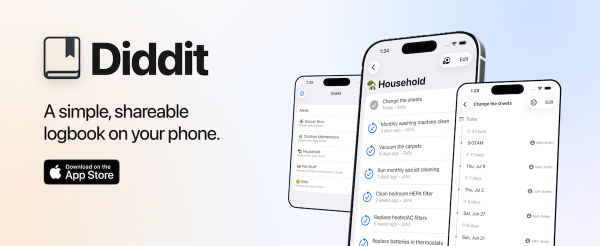
I’ll always be a sucker for great software tools that help people get things done together. Diddit is a new one from Chris I’ve been using for awhile now. It’s a log of stuff you need get done every so often. The ones you’d ask a partner, “When was the last time we….?” As in: changed the sheets, cleaned the oven, replaced the filter. The app doesn’t require you to sign up for an account, and it doesn’t store user data—instead, it saves your info in your own iCloud account. I wish more apps were designed this way.
Six months ago, life threw me for a loop and I dropped everything. Blogging and coding went out the window, as did social media and any sort of speaking. Doing anything in public felt intolerable while my private life was a tornado. I did keep making stuff, and thinking about how I’d write about that stuff someday.
Someday is now. Thanks to friends, family, lifting, and therapy, I’m feeling human enough to want to be in the world again.
So hi. Hello again. How’ve you been? If you’re reading this, thanks for sticking around. It feels great to publish again. More to come.
Women for Women’s Palestine crisis response provides baby formula, emergency cash, food aid, shelter, clothing, hygiene kits, and trauma counseling to families in need. Make a donation today.
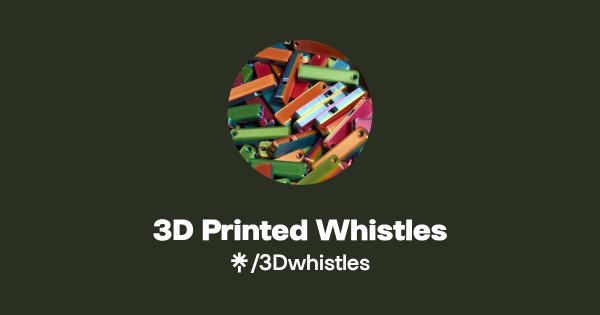
I got a 3D printer for fun and making stuff and now it’s my whole personality. (More on this soon.) It is also an outlet for dealing with my rage and heartbreak about the horrific murders and actions by ICE, Border Patrol, and federal agents here in the U.S. I’ve been printing and distributing community protection whistles in bulk with this incredible crew. Need whistles for your community? Request them here.
The most common piece of personal finance advice out there is to “know your net worth”—the number that represents your assets minus your liabilities. As a money nerd supporting a family in an expensive city, for years I viewed that number as a measure of how well we were doing.
It’s easy to make a number more important than it is. When the number went up, I felt good. When it went down, I felt bad. Eventually, I realized: this game is meaningless. It’s putting points on the most boring scoreboard in the world. That’s why my favorite idea in Bill Perkins’ book Die with Zero is prioritizing net fulfillment over net worth.
I think perfectionism is based on the obsessive belief that if you run carefully enough, hitting each stepping-stone just right, you won’t have to die.
The truth is that you will die anyway and that a lot of people who aren’t even looking at their feet are going to do a whole lot better than you, and have a lot more fun while they’re doing it.
January 1st may be an arbitrary Gregorian boundary condition, but I love an annual moment to take stock and plan change. This year I’m focusing less on resolutions to achieve ambitious goals—write a book, run a marathon, drop 40 pounds—and more on intentions to improve my daily habits in small ways. Things like: plug my phone in another room before I go to bed, start my day with morning pages, eat a hearty breakfast to fuel the day, stop snacking after a lighter dinner, add one more workout per week.
I’m only fifteen days in here, but so far, so good. The first week I had to train my attention on these changes and work to make them. This week, they are feeling a bit easier and more automatic. If I keep at it, at some point these changes will be no-brainers, and it’ll be time to make new tweaks and improvements. Wish me luck. What changes are you making in 2026?
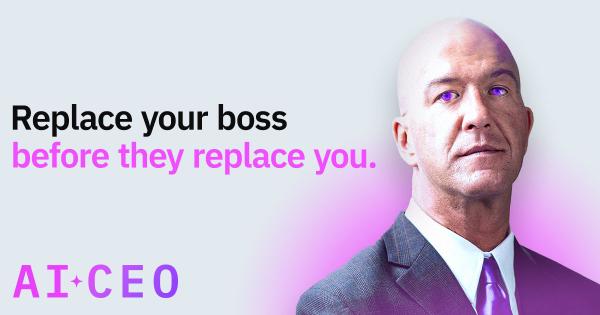
(via) AI CEO generates corporate executive thought leadership at the push of a button. “We’re not destroying habitats, we’re creating urban opportunities for wildlife.”
One way I’m breaking my Amazon habit is by patronizing independent bookstores through Bookshop. Check out my favorite books on creativity, making stuff, and living well at my Bookshop.
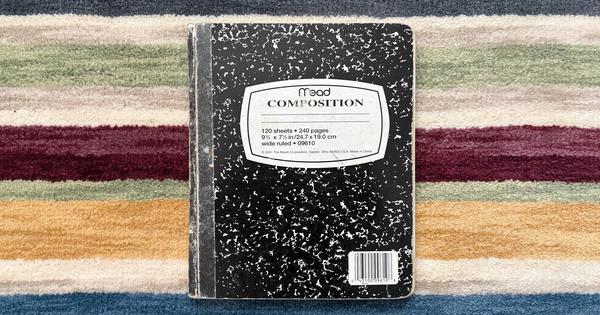
Happy New Year! My favorite January tradition is treating myself to a fresh new notebook. A friend asked our group what our best notebooks are, and that question was a gift because I have thoughts.
What do you like, and why do you like it? Personally, I have to practice answering this question. I get influenced by what others like. I have an internal judge telling me what I should and shouldn’t like. When I do know I like a thing, it’s not easy to quantify why I enjoyed feeling whatever it made me feel.
This past year, to practice figuring out what I like and why I like it, I rated and wrote a couple sentences about every single thing I watched, read, or listened to all year. As of today (late December), I’ve written 115 reviews of the movies, television shows, theater productions, books, albums, and podcasts I consumed in 2025. Whew! Here are the ones I enjoyed the most.
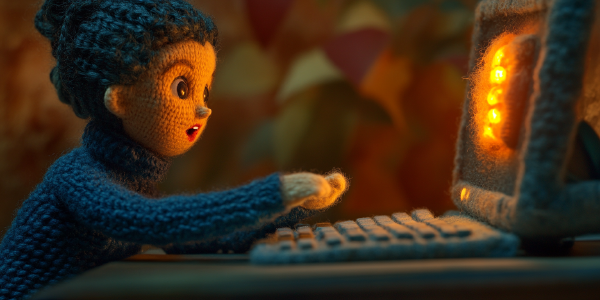
Digital tech has flattened our experience of the world to text under a glass touchscreen, writes Amelia Wattenberger in a beautifully-illustrated essay. We should build more computer interfaces that serve the way humans experience the world—through their five senses.
I think about this idea in terms of how my kid sees me get stuff done. When I was growing up and observing my parents manage our family life, I watched them jot plans on a paper calendar hanging in our kitchen, write checks and stuff stamped envelopes to pay the bills every week, scribble weekly grocery shopping lists, plan a month of family dinners on index cards, keep an address book of names and phone numbers, call their friends on the phone, and spend Saturdays going to the bank, the butcher, and the post office. Today, my kid observes me doing all those different things but has no indicator of what I’m actually doing unless I show her and tell her, because it all just looks like me tapping on a phone screen or typing on my laptop.
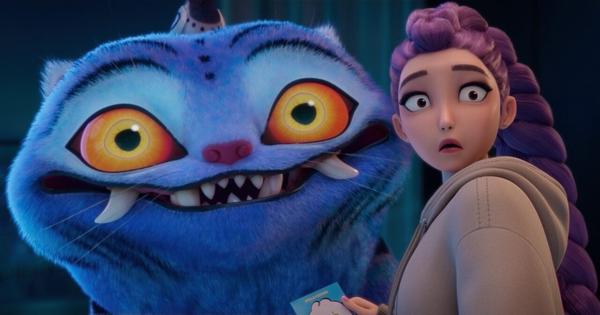
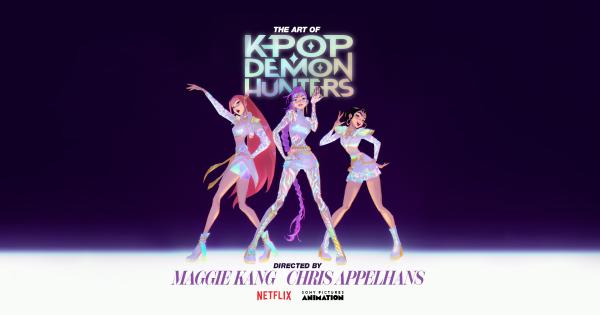
Netflix released 142 gorgeous pages of digital art and behind-the-scenes stories about the making of KPop Demon Hunters, its most-watched film of all time. Writer/director Maggie Kang: “I knew I wanted to see female superheroes who were a lot more relatable, who like to eat and make silly faces….not just being pretty, sexy and cool, but with real insecurities.” This one’s a true visual feast — for the fans!