The joy of making stuff with a 3D printer
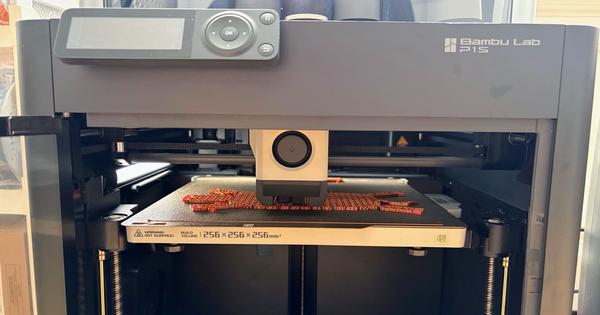
I’ve always been curious about 3D printers, so last fall when there was a Black Friday deal on a great model, I picked one up. I wondered if it would be one of these gadgets my family would play with for a couple months then forget about, but it turns out: we haven’t stopped printing since.
Whenever I tell anyone about it, the first question is, “What do you do with it?” At first it was making lots of silly fidget toys and figurines for my kid. Then it became about a lot more than toys.
A month or so in, during a dark and depressing winter, the printer gave me unexpected purpose. I joined a community of people 3D printing community ICE alert whistles. Over the course of a few months I personally printed and shipped several thousand whistles across the country. I was just one tiny node in a giant decentralized network of likeminded people trying to protect our communities, but it made me feel so connected and hopeful.
When I wasn’t printing whistles and fidgets, the thing I came to love printing the most is household stuff—all the gadgets and containers and tools and doodads that make our lives easier, nicer, and more organized.
I started small with stuff like planters, closet door hooks, a remote control holder, chopstick holders, travel containers, and a 2-in-1 iPhone and AirPods charging stand. I got more ambitious making jewelry boxes, a travel version of Tetris, soap dishes, a toilet paper stand, a desk organizer, and even a shelving unit.
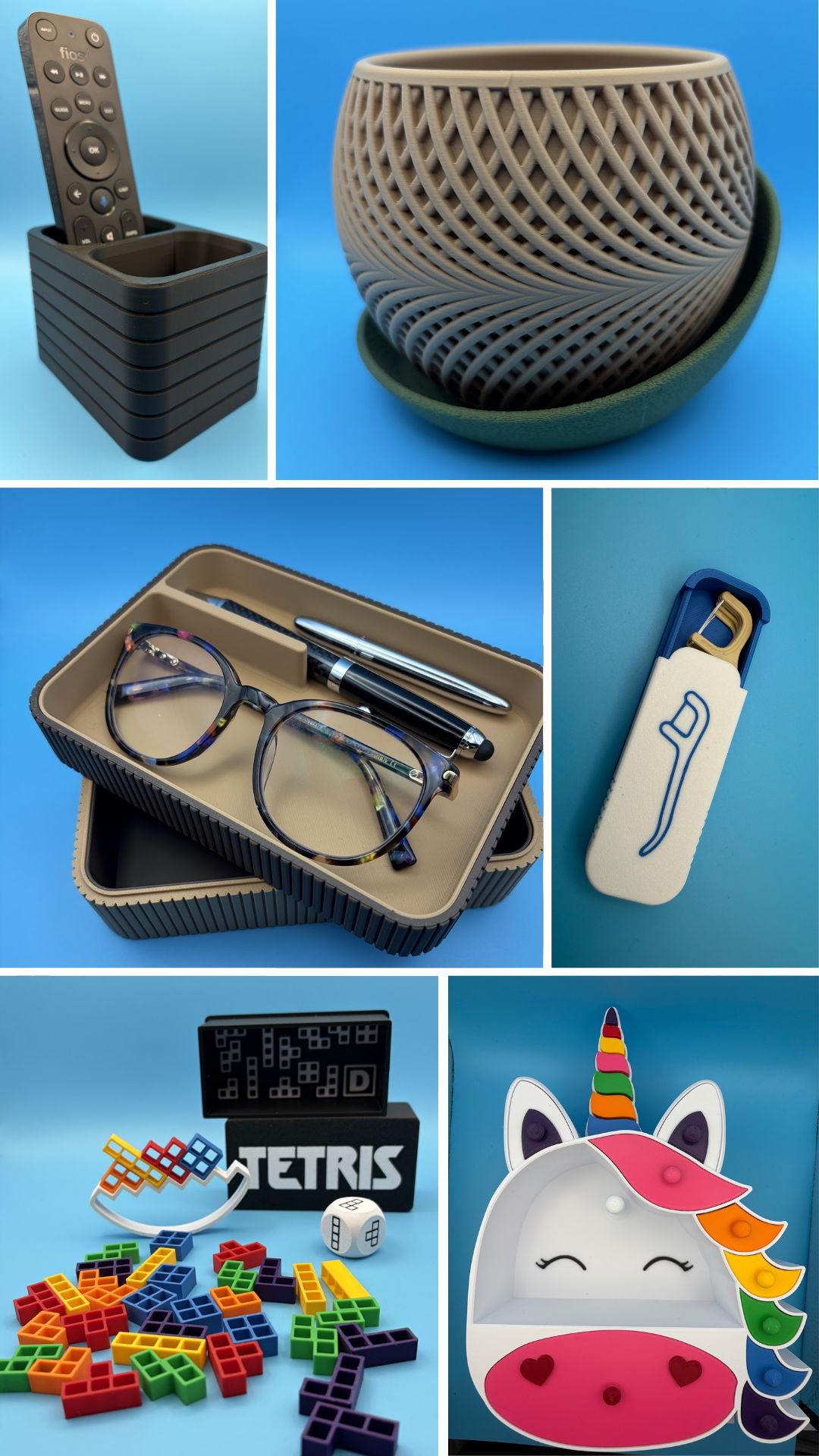
I even designed my own very simple first model and published it here: a minimal electrical outlet cover.
The household projects that brought my little heart the greatest satisfaction were thanks to an open, extensible organization system called Gridfinity. This modular system helps you organize drawers of stuff—think junk drawers, kitchen utensils, office supplies, tools—into customized, perfectly fitted containers that snap into a grid. (Its creator Zack Freedman also made one of the greatest project announcement YouTube videos ever.) Freedman released Gridfinity under an open license, which means the 3D printing community has made and published endless Gridfinity-compatible models, which make it so easy to pick and choose what you need off the shelf.
Once I discovered Gridfinity, I went to town. When life feels out of control, there are few things more soothing than organizing small objects in little boxes.
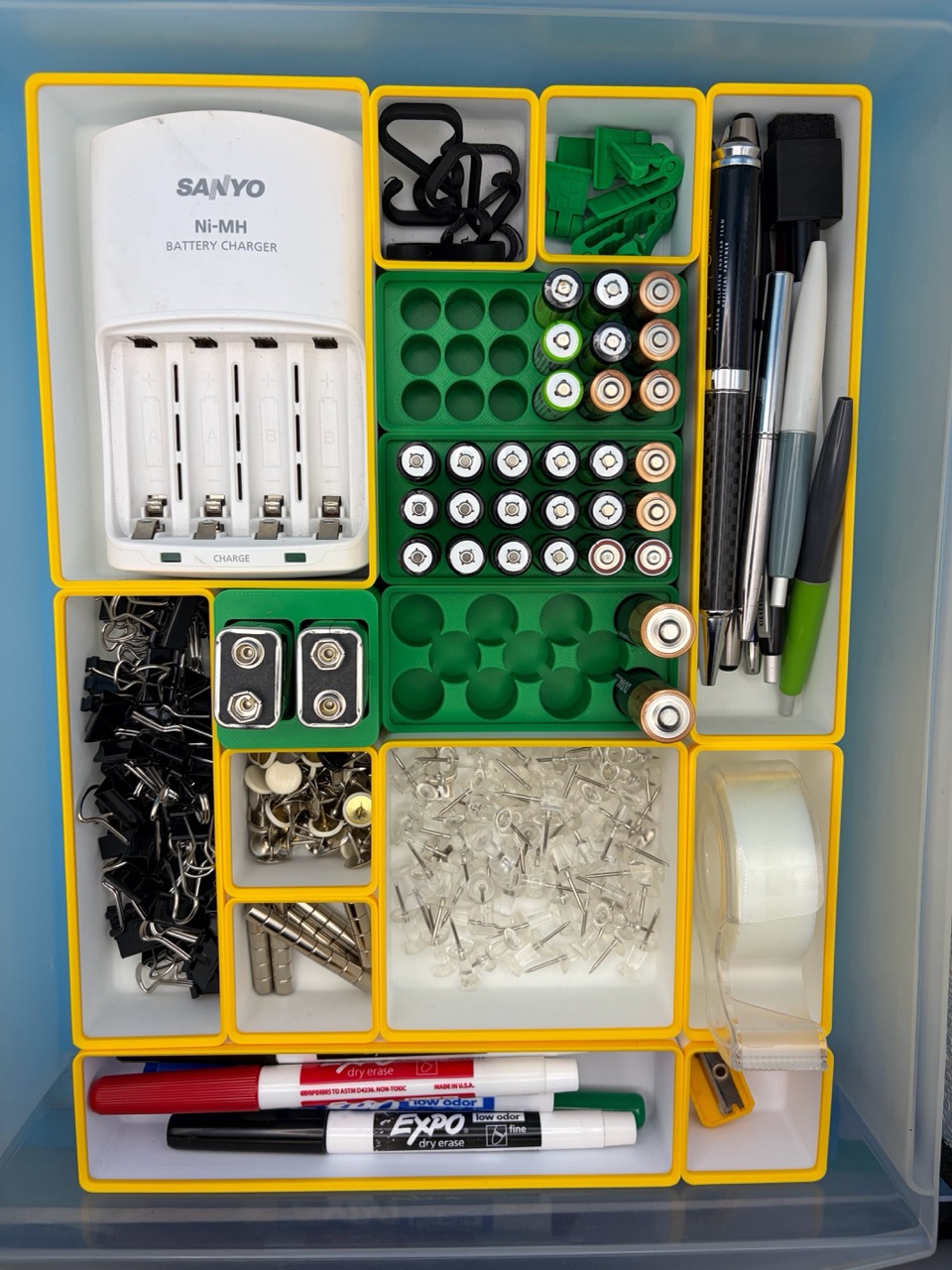
I started with a messy drawer of office supplies I used to rummage through, inevitably poking myself with a thumbtack in the process.
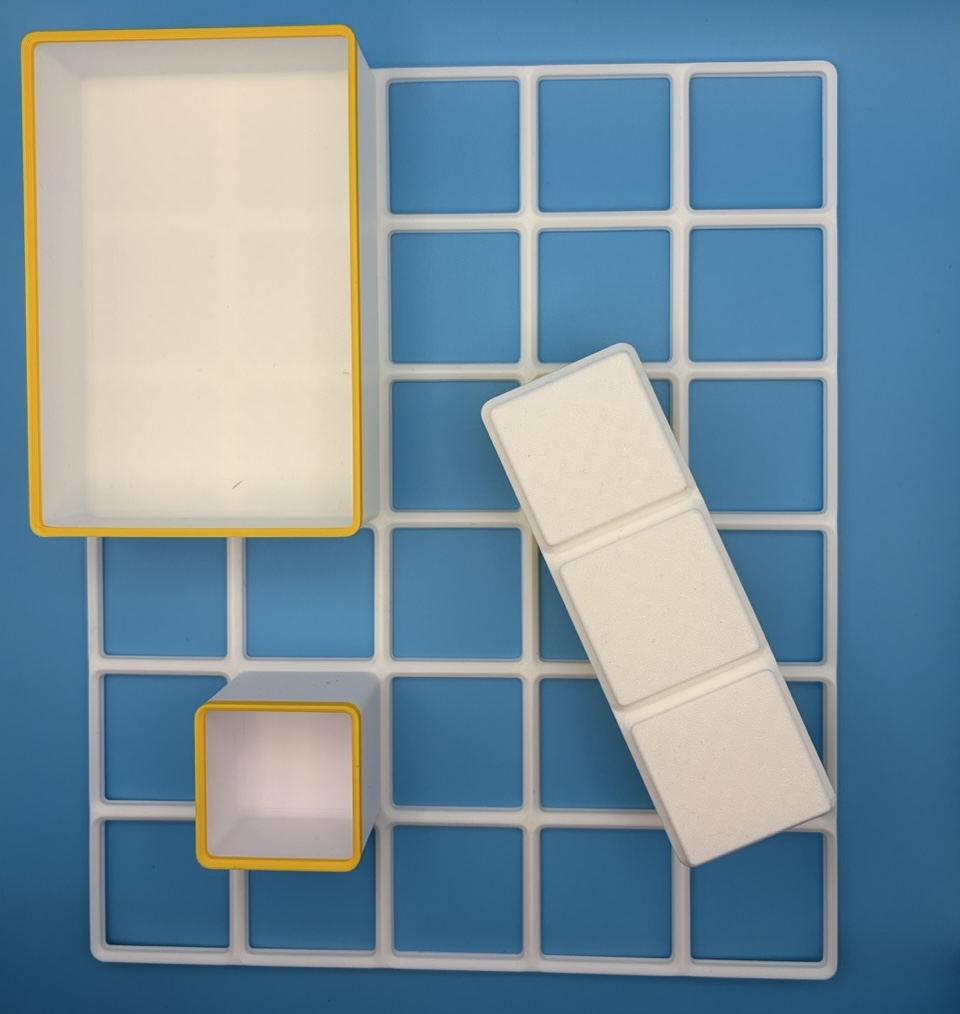
Here’s the Gridfinity baseplate, and a couple of the containers I printed to organize this mess. The bottoms are designed to snap into the grid. I added a little yellow top edge for clearer visuals.
I also printed custom, green containers for various battery sizes, which have spots to glue in little magnets if you want extra stickiness.
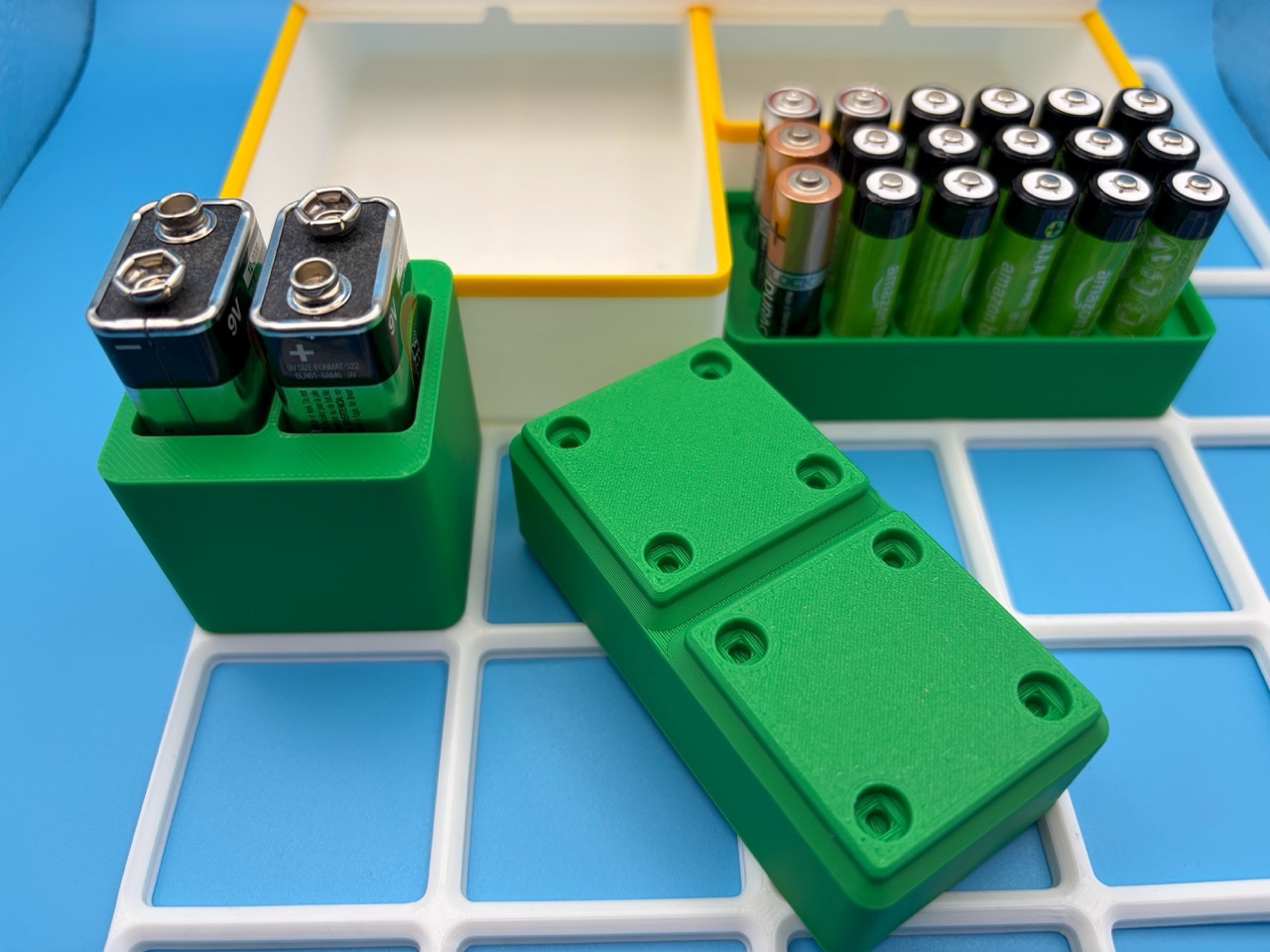
Here’s the final, organized version of the drawer. It’s never been easier to grab a battery or a thumbtack now without hurting myself.
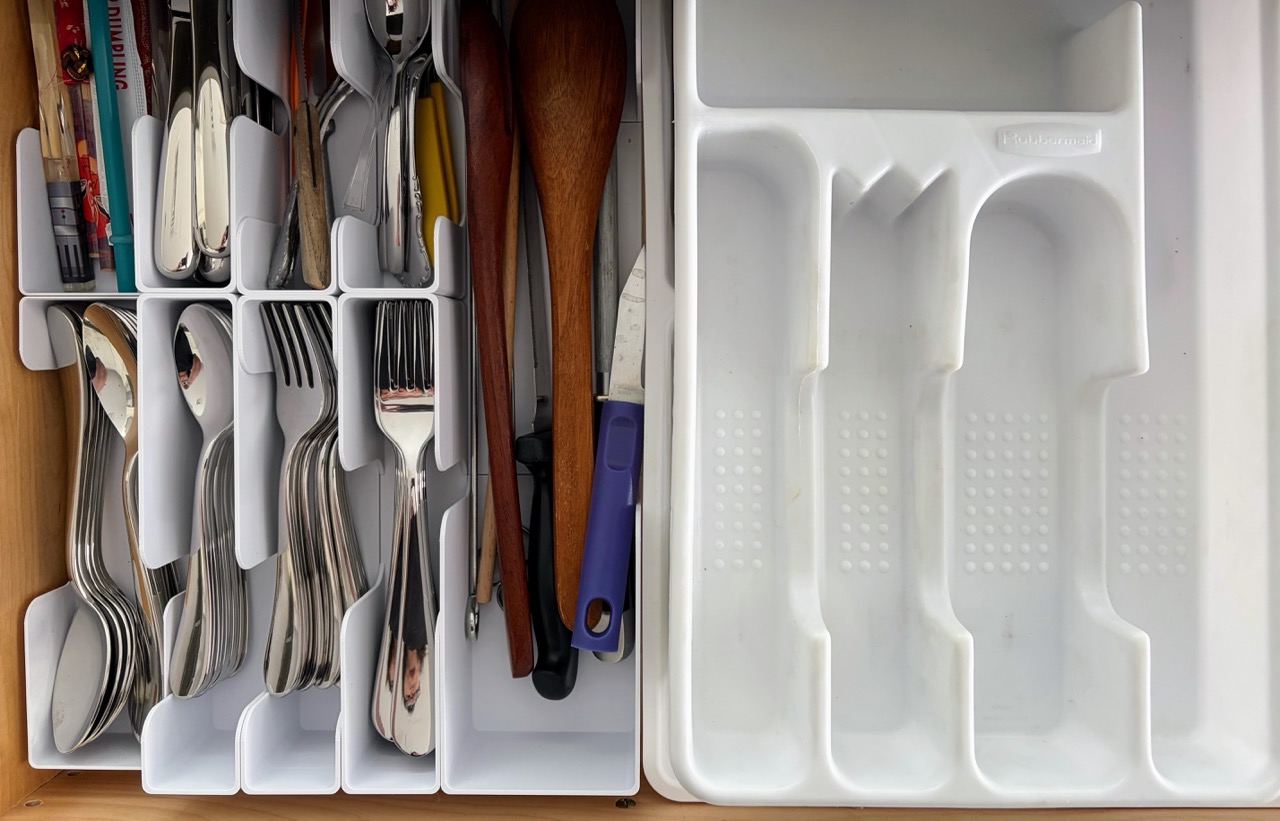
I’ve also Gridfinitied my kitchen utensil drawer. Take that, Rubbermaid.
All in all, I’ve derived so much more joy from a hard-to-justify 3D printer purchase than I expected. Yes, the printer with all the filament spools and related tools take up a lot of space; it occasionally jams and needs maintenance; more complicated prints require babysitting multiple plates over the course of hours; I worry about landfills and wasted filament. But having our own little personal factory to make things we need, learning and teaching my kid about 3D modeling and making a digital drawing real through tools we have at home, and appreciating others’ amazing creativity and generosity in the community has been far worth it.
Frequently Asked Questions
Reading about how others got into 3D printing helped me take the leap myself, so here are some questions curious friends and fellow nerds have asked me.
What printer did you get and why?
I bought the Bambu P1S. I got it with an AMS so I could print with multiple colors. (This was my first pre-purchase lesson: The printer alone only handles one roll of filament and therefore one color at a time. The AMS lets the printer change colors automatically during a print.) I picked this model because the 3D printing YouTubers I watch plus a couple trusted friends all said it was a great printer for the price, which at the time was just under $600. Now as of writing the P1S by itself is $399.
I didn’t have any prior printer to compare the P1S to, but as a complete beginner I was able to assemble it, plug it in, and start making stuff very quickly. I’ve come to appreciate that it is a beautiful machine designed to be taken apart, serviced by the user, and easily reassembled: refreshing in a world of sealed electronics. Bambu’s thorough documentation includes videos on how to address common problems—things like jams and stuck filament spools. Even after just a few months of printing, I feel like I have a decent mental model of how the machine works and have even developed an intuition for what’s going right or wrong with a print when I hear it make certain sounds.
Mainly you control the printer through the Bambu Handy software, which does a lot more than I expected. It lets you modify and customize the model before you print it, livestreams a video of your print in progress to your app, and records timelapse videos, which are always fun to watch. There are some rough edges to the app, but there are regular updates to it and over the last 9 months of releases it’s gotten better and easier to use. The mobile apps are not as fully-featured as the desktop app and I hope to see them catch up, but it does feel like magic to start and watch a print on my phone.
Where do you find these objects?
Makerworld is a community site of 3D models that you can download and print for free. Similar to shared public code on GitHub, users take models they like, make modifications, and re-upload to the original maker, or upload a whole new design to the site. A decent system of ratings and boosts incentivize 3D designers to share their work, and deep discussions and photos of prints in the comments give you lots of information about how things will go if you commit your printer time and filament to the model. There are several other sites like Makerworld including Printables, but because it’s in the Bambu ecosystem I’ve mostly stuck to Makerworld.
What have you made?
Way too many things to list, but a handful of my favorite prints so far include these things.
For kids:
- Flexi Pangolin
- Hedgehog Fidget Clicker
- Squishy Loopz Spiral Donut
- Pencil Slide-on Name (especially good for kids with less common names)
- Unicorn Jewelry Box
- Flexi Spider
- Chopstick Helper
And a few things for grown-ups:
- MagDock V2: iPhone and Apple Watch MagSafe Phone Holder
- Drift and Polygon Planters
- Ultimate Gridfinity Kitchen Drawer Organizer v2
- Parametric Stackable Boxes
- Zen Japanese Tea House
- Modern Box for Jewelry / Watches / Tea / Firstaid
- Q-Tip Travel Container
- Small Two-Tone Whistle
- Soap Dish Sponge Holder Collection
- Tray box
What are your favorite 3D models? Send me all the links.